Sump Pump Repair and Replacement in Naperville

A pump that hums while the pit fills has power but can't move water. Call, and a plumber finds what's stopping it and gets the pit draining.

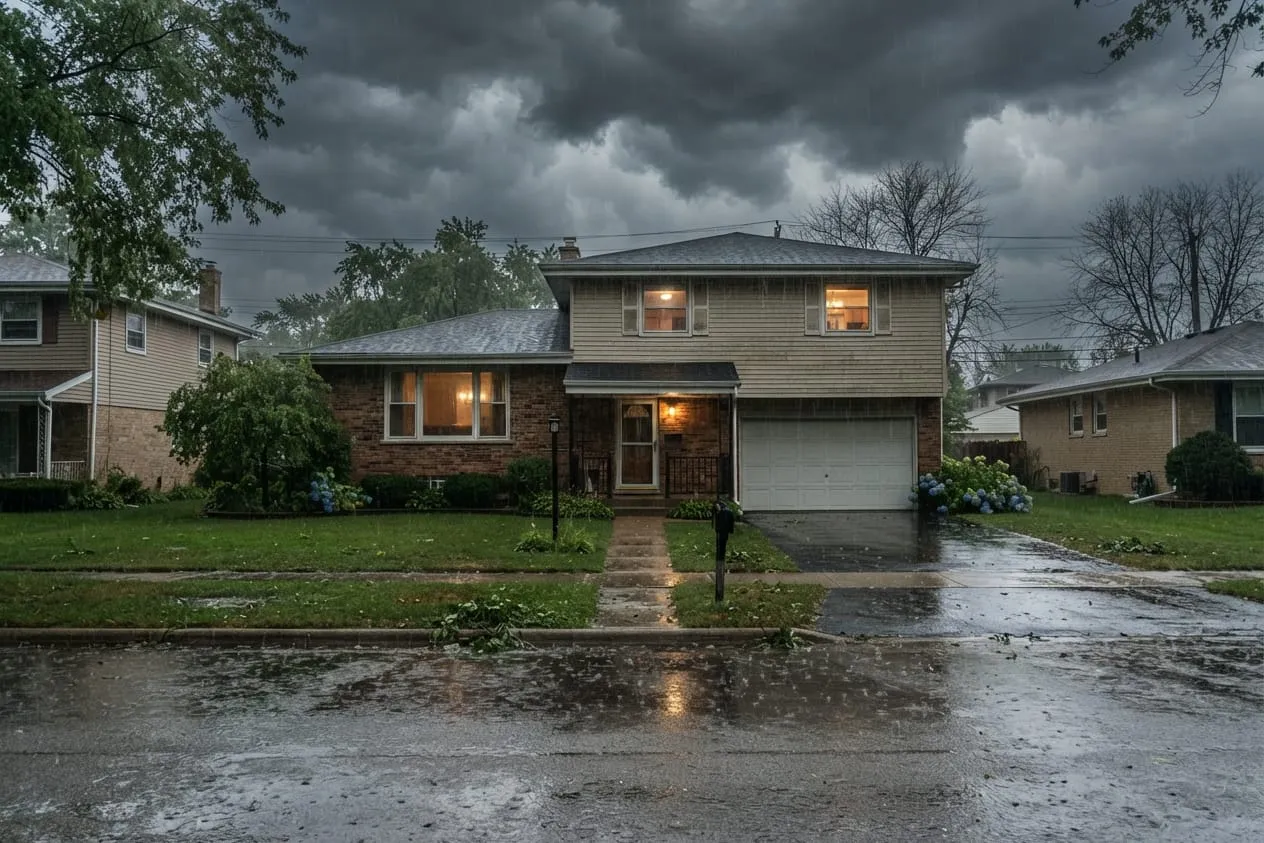
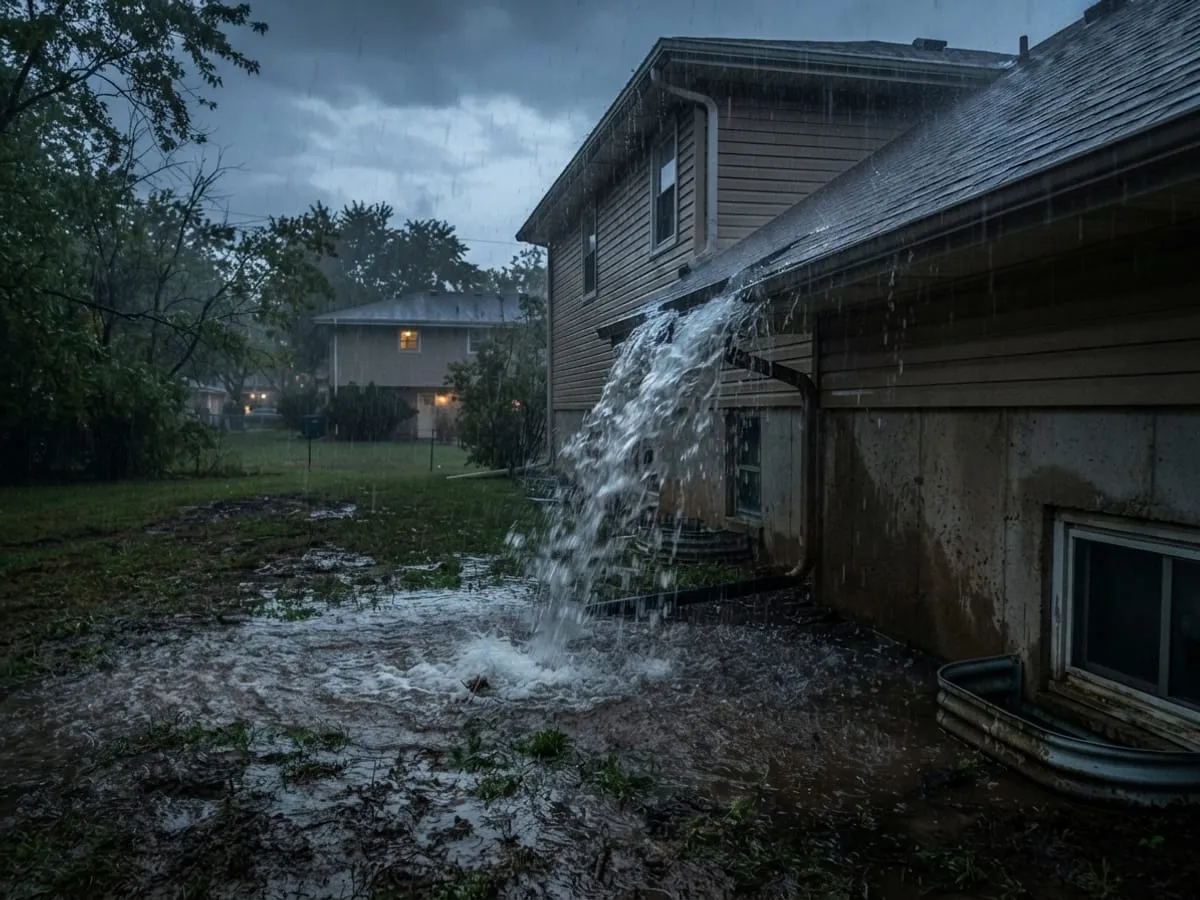
A two-story suburban house under a dark storm sky in heavy rain Naperville, Illinois
Why the pit fills here

Naperville ground stays wet from March into June

Sump Pump Naperville handles sump pump calls from basements all over Naperville, on the DuPage County and Will County sides of town alike: sump pump repair and replacement, battery and water-powered backup pumps, new sump pits, sewage ejector pumps, and footing drains that still run to the sewer. We set the visit, and a plumber does the work once you've seen the price in writing.

Most of DuPage County sits on slow-draining silty clay, and the County's own stormwater ordinance says the county "drains poorly because of flat topography and soils of low permeability." In spring the water table in the most common soil here sits well above any basement floor, so the house depends on drain tile laid in gravel around the footing. It collects that groundwater and empties it into the pit, and the pump's whole job is to keep up.

City fact sheets point out that seams of sand or gravel in the clay can steer water toward one basement more than the next. Two houses on the same block can run their pumps very differently for that reason.

2ft

How close to the surface the spring water table can sit in Markham soil, the most common in DuPage County (USDA soil survey).

7.34in

Rain in 48 hours at the gauge just northwest of downtown in the April 2013 storm (National Weather Service).

15min

Average time without power for City of Naperville electric customers in 2025. A backup pump here mostly covers a main pump that fails with the lights on.

1990

Median year Naperville homes were built, by Census estimates. A house that age may still have its original basin and check valve.

What you're seeing

Water climbing in the pit, and what's usually behind it

Start with what you can see from the basement stairs. Each of these points somewhere different, and that's where your plumber starts.

  • Storm night
  • Pump

Silent pump, water rising

Power isn't reaching it (a tripped GFCI outlet or breaker), the float is pinned against the basin wall, or the motor has burned out. Call first. If the floor by the outlet is dry, look for a tripped GFCI or breaker while you wait.

Sump pump repair
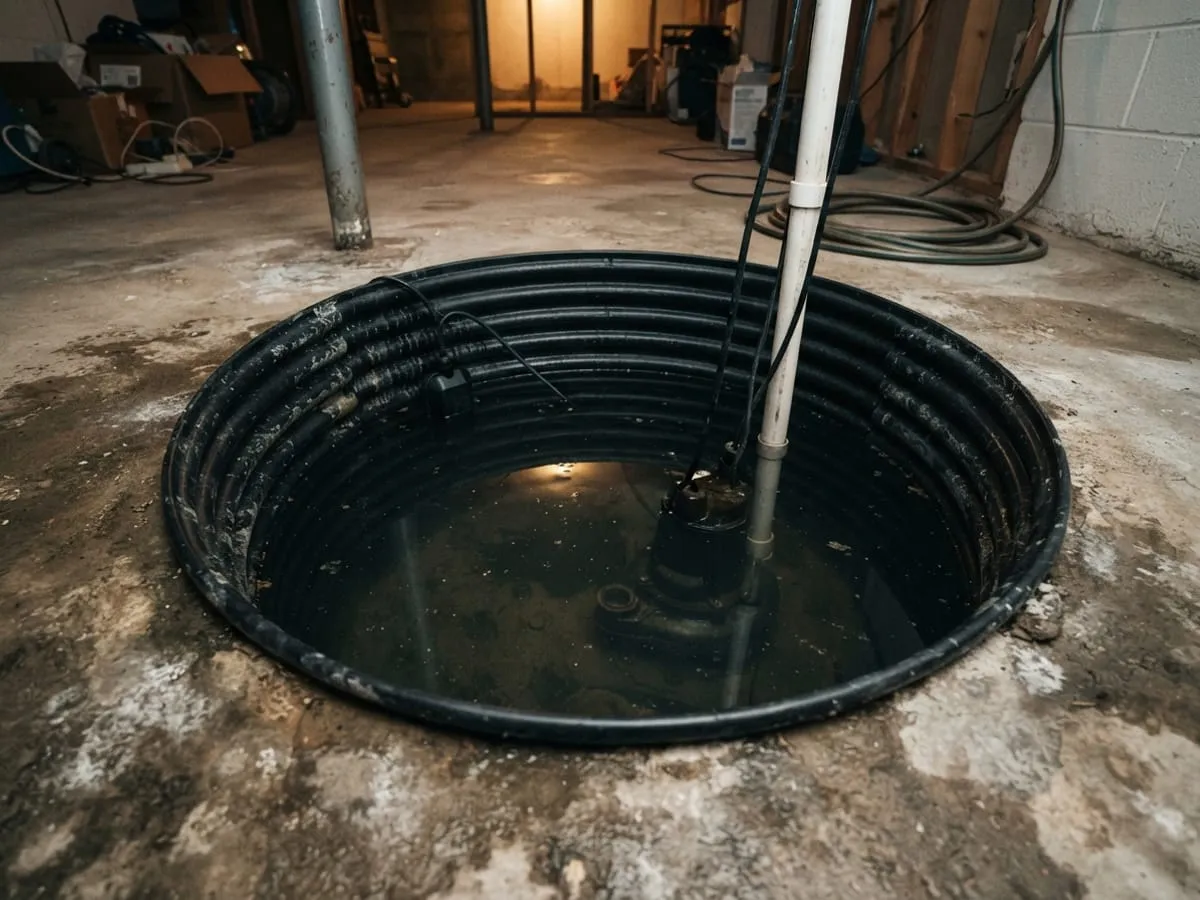
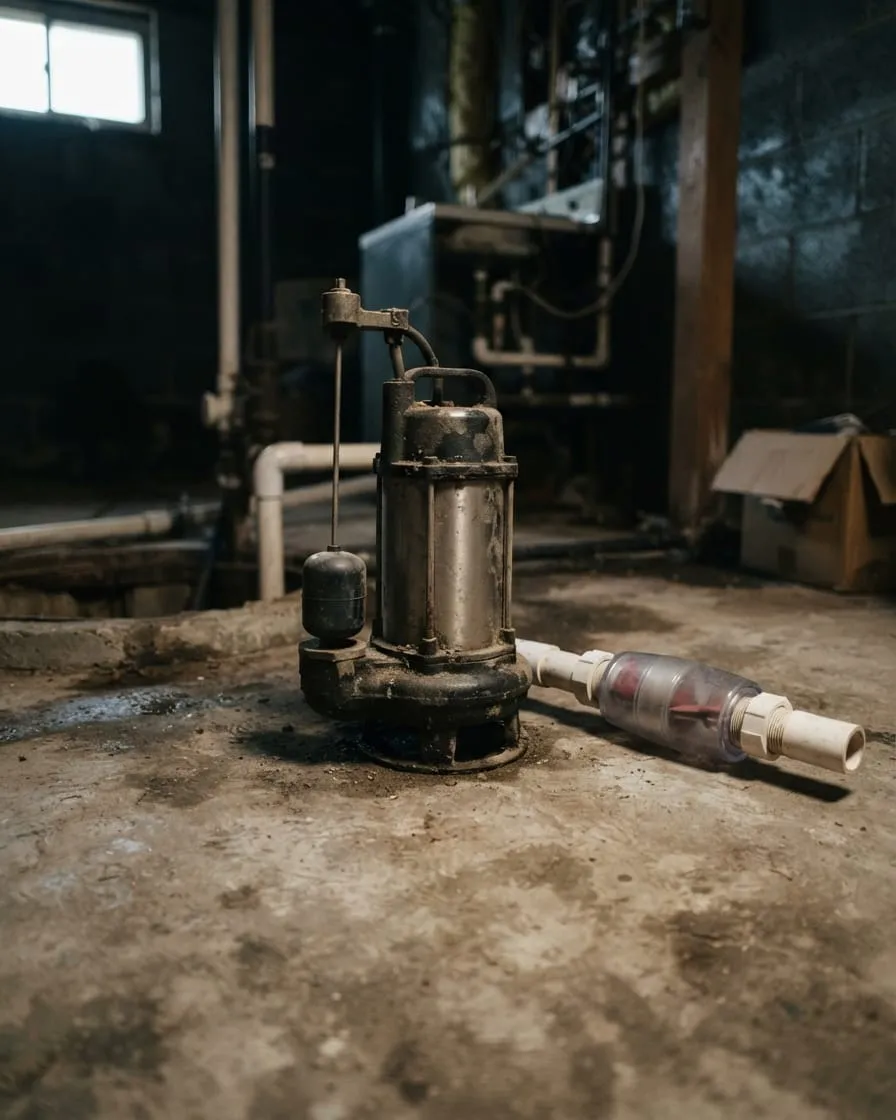
Standing water in a sump pit over a pump that isn't running
  • Downpour
  • Capacity

Pump running, pit still rising

Rain is reaching the pit faster than the pump can lift it out. A pump sized for an ordinary May, a worn impeller or a small basin can all lose ground in a downpour, and the fix is a larger pump or a second one in the same pit.

Storm flooding guide
Rain pouring off a roof onto a backyard that is starting to pond near the house
  • Sewer
  • Floor drain

Sewer water at the basement floor drain

That water is coming back from the sewer, and a sump pump can't stop it. Overhead sewers, backflow devices and footing drains moved off the sewer are the fixes on that side.

Telling sewer water from groundwater
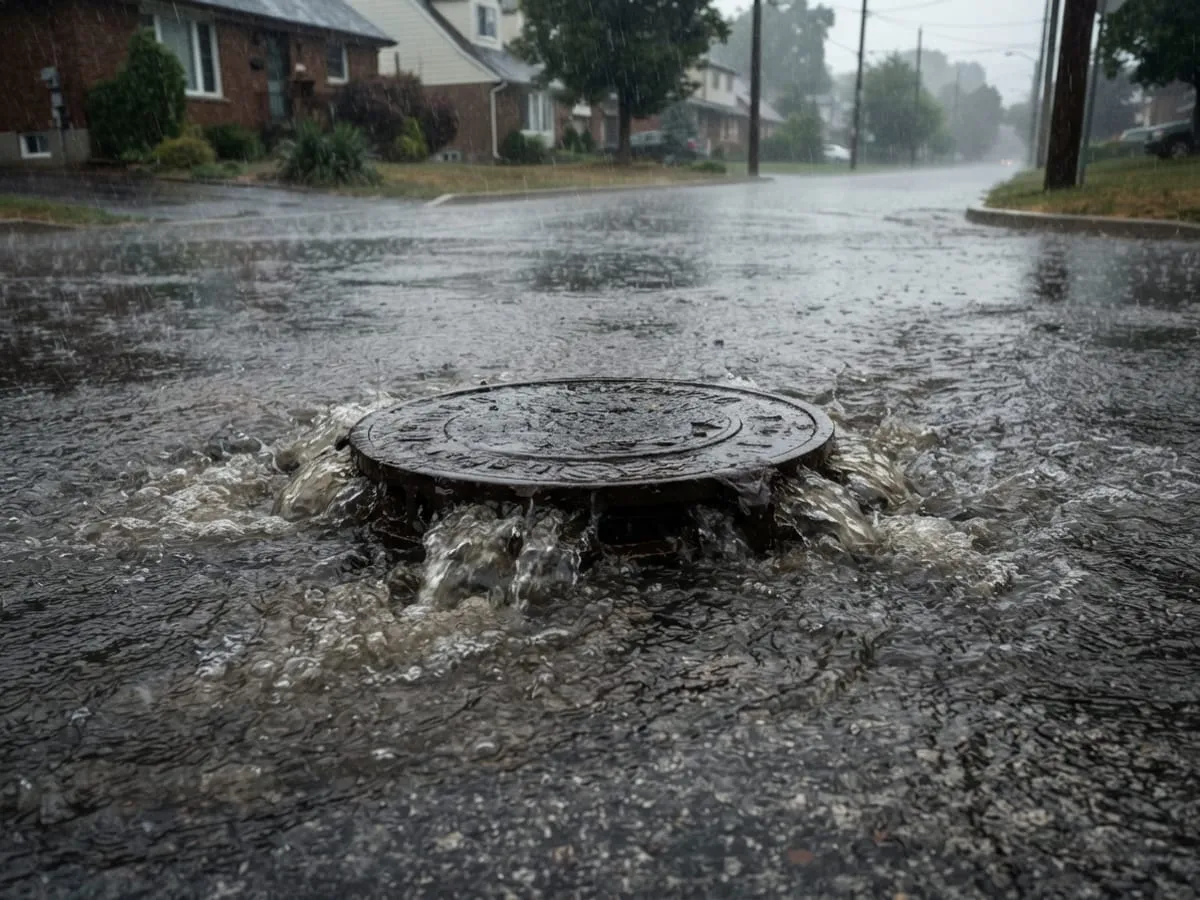
Water bubbling up around a manhole cover on a residential street in heavy rain
  • Winter
  • Discharge line

Pump running, line outside frozen

In January the discharge line can ice up where it leaves the house, and the pit fills behind it. Re-pitching the line and adding a relief fitting near the wall keeps it from happening again.

Frozen discharge line guide
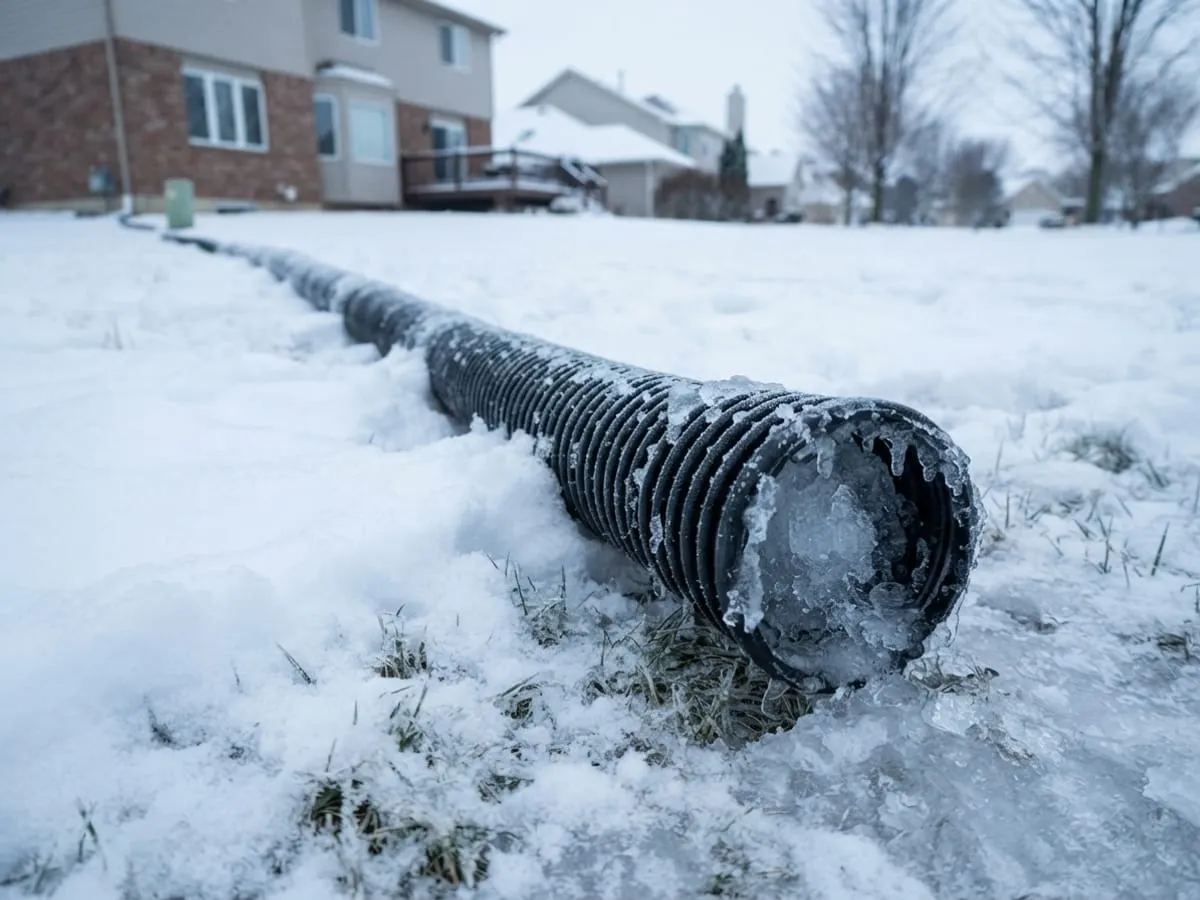
A frozen sump discharge hose lying across a snowy lawn

Humming, but no water moving

The impeller can't turn, or air is trapped below the check valve. If the floor by the outlet is dry, unplug it after a few seconds so the motor doesn't overheat. The pit keeps filling with the pump off, so call right away.

Running with the pit already empty

The float switch is stuck in the on position, often hung up on its cord, the basin or the discharge pipe. A pump that runs dry wears itself out quickly.

Kicking on every minute in a dry week

After a storm, steady cycling can just be groundwater. In dry weather it usually means the check valve is letting water fall back into the pit, so the pump keeps lifting the same few gallons.

Seeing one of these now? Call (630) 555-0100

The visit

What happens between the call and a dry floor

You answer a few questions on the phone and approve a written price. Everything else happens at the pit.

  1. You call from the basement

    Say what the pump is doing and how close the water is to the rim. If it's humming and the floor by the outlet is dry, unplug it while we talk.

  2. Your visit goes on the calendar

    We schedule a plumber and settle the time with you. If that takes a check of the schedule, you get a call back with it.

  3. The pump runs on real water

    Your plumber fills the pit, watches the float trip and the check valve close, follows the discharge line outside, then writes up the price. You only pay for work you agreed to.

  4. A pit that empties on its own

    The job is finished when the pump drains the pit, shuts itself off and sends the water out into the yard, well clear of the foundation.

Areas

Every Naperville ZIP, and the towns around it

Naperville ZIPs 60540, 60563, 60564 and 60565 are all on the list, in DuPage and Will counties. So are Aurora, Plainfield, Bolingbrook and Joliet to the south and west, Lisle, Wheaton and the rest of DuPage to the north and east, and Orland Park and the southwest Cook County suburbs.

Town pages explain what changes the job there:

See every town and ZIP

Guides

Reading up after a storm or a freeze

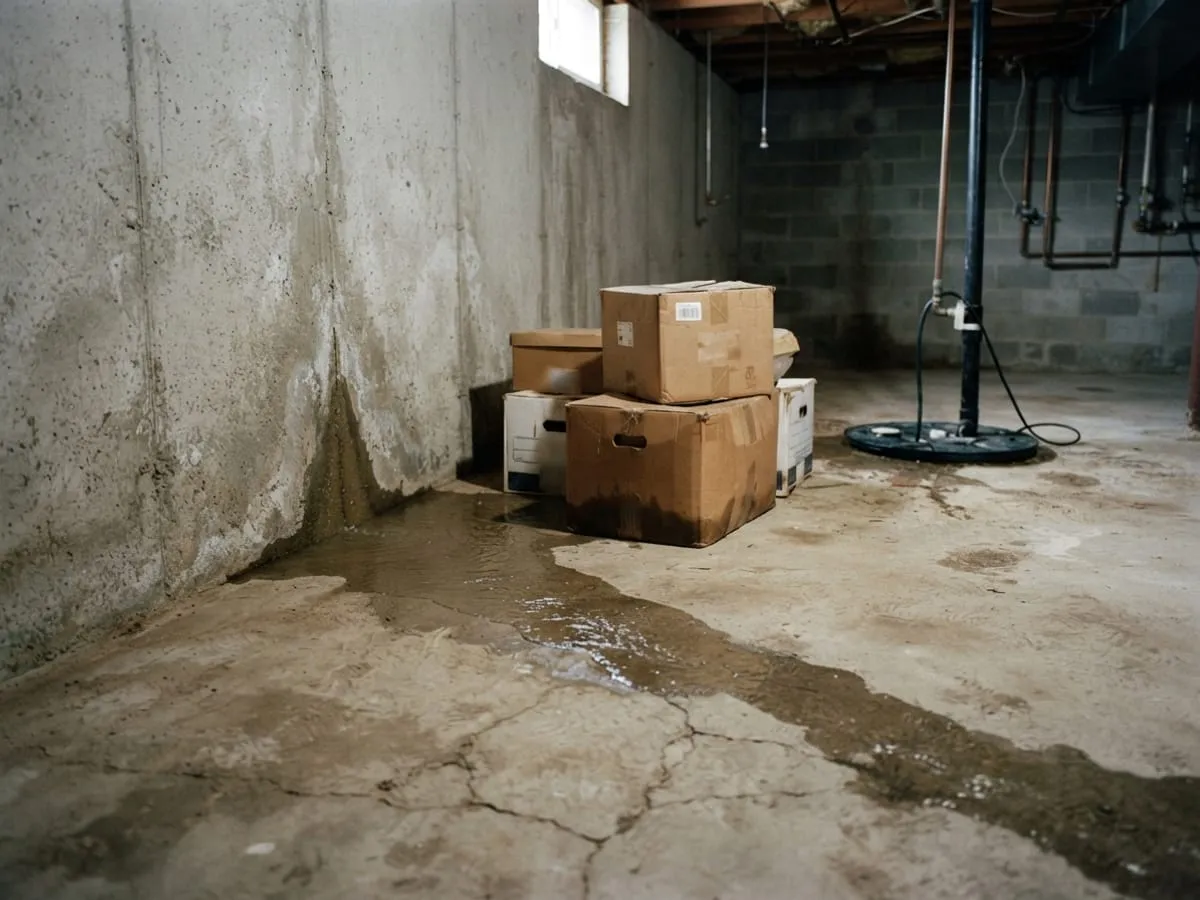
Water spreading across a basement floor from the corner where the wall meets the floor

Flooded with a working pump

The pump ran all night and the floor still got wet. Sorting out which kind of water it was comes first.

Storm flooding guide
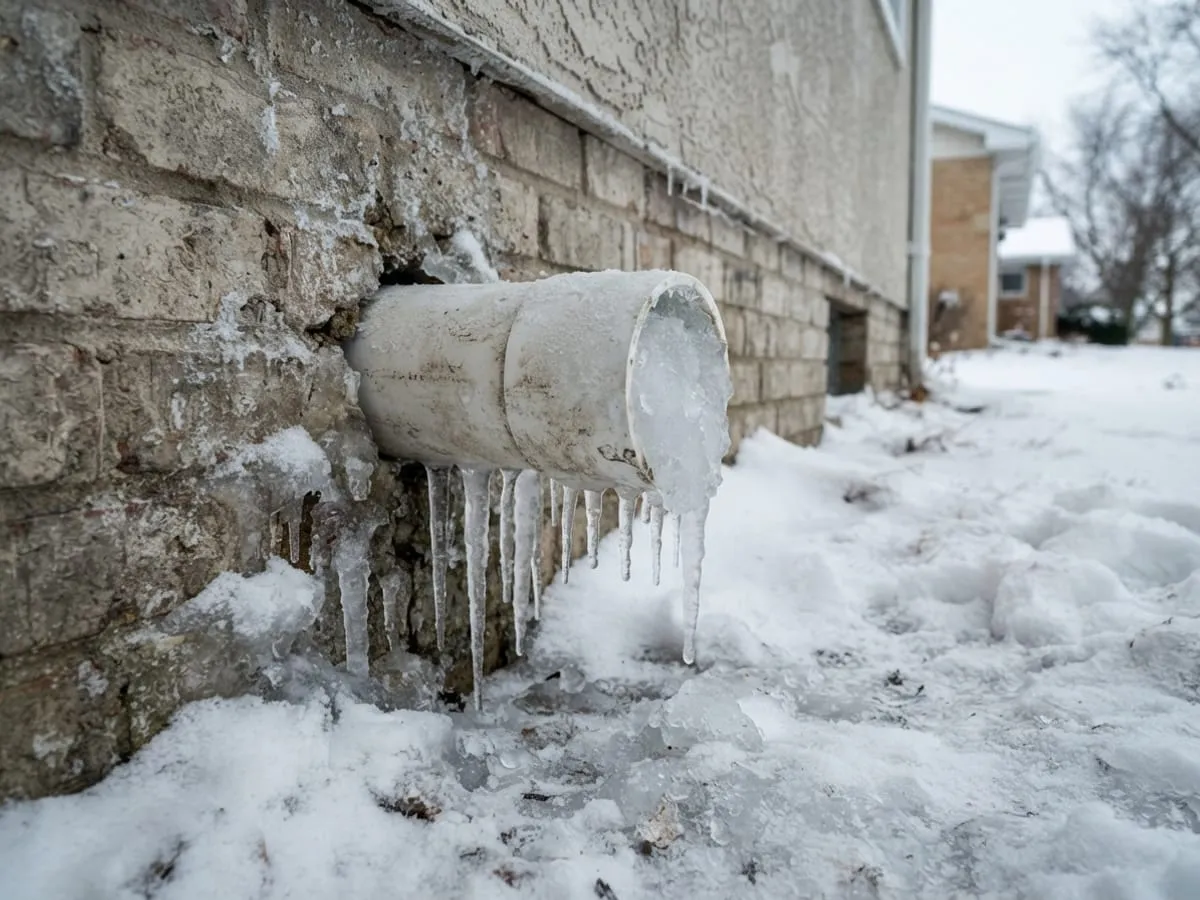
A sump discharge pipe sticking out of a foundation with its end frozen in ice and snow

Discharge line frozen solid

Ice where the line leaves the house stops the water cold. The fix is in how the pipe is pitched and where it ends.

Frozen line guide
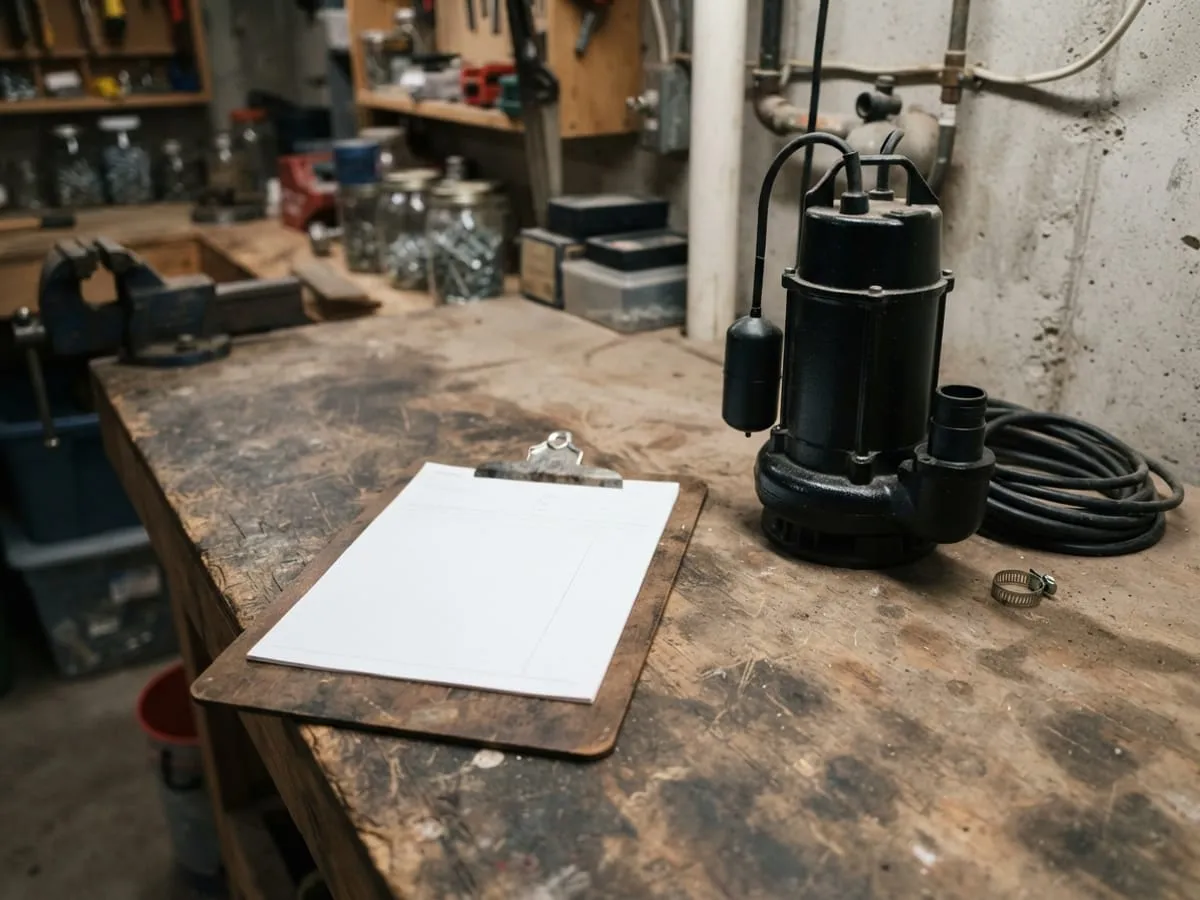
A clipboard with a blank form beside a sump pump on a workbench

What the work runs

Pump, valve, basin, discharge line, permit: each line on a written price has its own reasons to go up.

Cost guide

What Naperville homeowners ask about their sump pumps

My pump runs every few minutes after rain. Is something wrong?

Probably not, if it's spring or the days right after a storm. Drain tile keeps feeding the pit until the ground drains, and in DuPage clay that takes a while. Call if it keeps cycling through a dry spell, or runs with the pit already empty. The pump repair page covers both.

Do I need a battery backup if Naperville's power rarely goes out?

Usually, yes. A backup also takes over when the main pump jams, burns out or falls behind in a downpour, and that happens with the lights on. Homes outside city limits are on ComEd rather than the City's utility. The backup pump page explains both.

Can the pump be replaced and a backup added on the same visit?

It can, when both pumps are on hand. The pit is already open and the discharge piping is already being reworked, so doing both at once saves a second trip. Mention both when you call so the right parts come along.

How can I tell a sump pit from an ejector pit?

A sump pit usually has a loose or open lid and fairly clear groundwater in it. An ejector pit has a sealed, bolted lid with a vent pipe rising from it, and it takes water from a basement toilet, shower or laundry. The ejector pump page covers that pit.

Do you cover the Will County side of Naperville?

Yes. Naperville ZIPs 60540, 60563, 60564 and 60565 are all on the list, along with Aurora, Plainfield, Bolingbrook and Joliet to the south and west. Check any address on the areas page.

Pump acting up, with rain in the forecast?

The visit starts with your plumber filling the pit and watching the pump work, so the fault shows up while you're standing there. The fix gets tested the same way before anyone leaves.

(630) 555-0100 Call to book a visit
Call (630) 555-0100