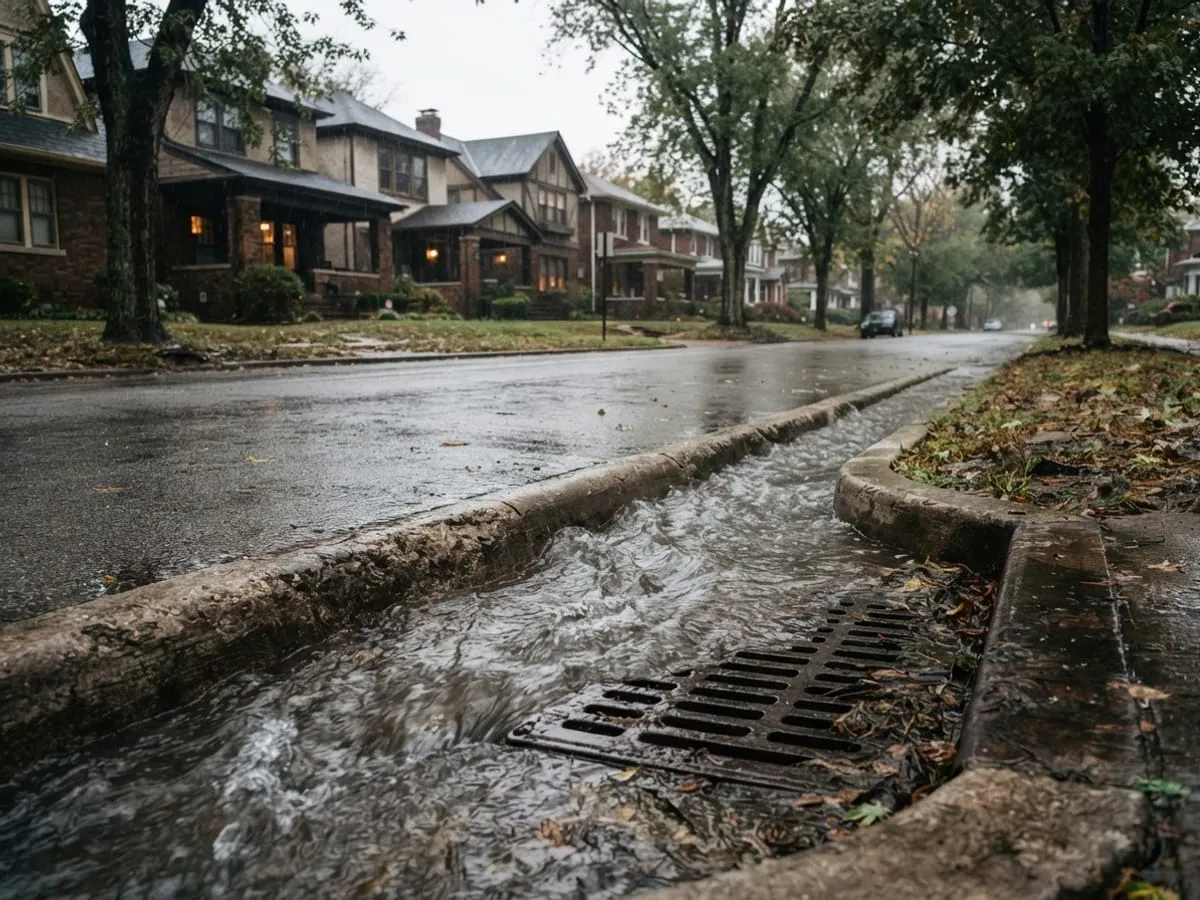
Under Aurora's older blocks, the sewers carry rain and sewage in the same pipe. Under its newer subdivisions, sump lines run to a separate storm sewer. That split shapes most of what goes wrong in an Aurora basement. Sump Pump Naperville books sump pump repair, replacement, backup pumps and ejector work for homes in all four of the city's counties, Kane, DuPage, Will and Kendall, and a plumber does the work after you've approved a written price.
Combined sewers under the older blocks
The City of Aurora's long-term control plan describes a combined system covering about 7,145 acres, with roughly 130 miles of combined sewer and 16 permitted overflow points, 15 of them on the Fox River. The City's own summary says that during large rainfalls these systems "may become overwhelmed causing sewage to back up."
For a basement, that means water at the floor drain during a storm is often sewer water, not groundwater. The City has been separating sewers street by street, including Garfield Avenue, West Downer Place, Broadway and Jackson and Simms, and says it ranks that work partly "based upon basement backups."
Until your street is separated, the protection has to be at the house. An overhead sewer sends basement fixtures to a sealed ejector pit so nothing low is open to the street sewer, and a backflow device can close the line when sewage pushes back. If the sump pump in an older house discharges into the floor drain, that line has to move outside. The footing drain page covers it.

Houses from 1959 and houses from 2003
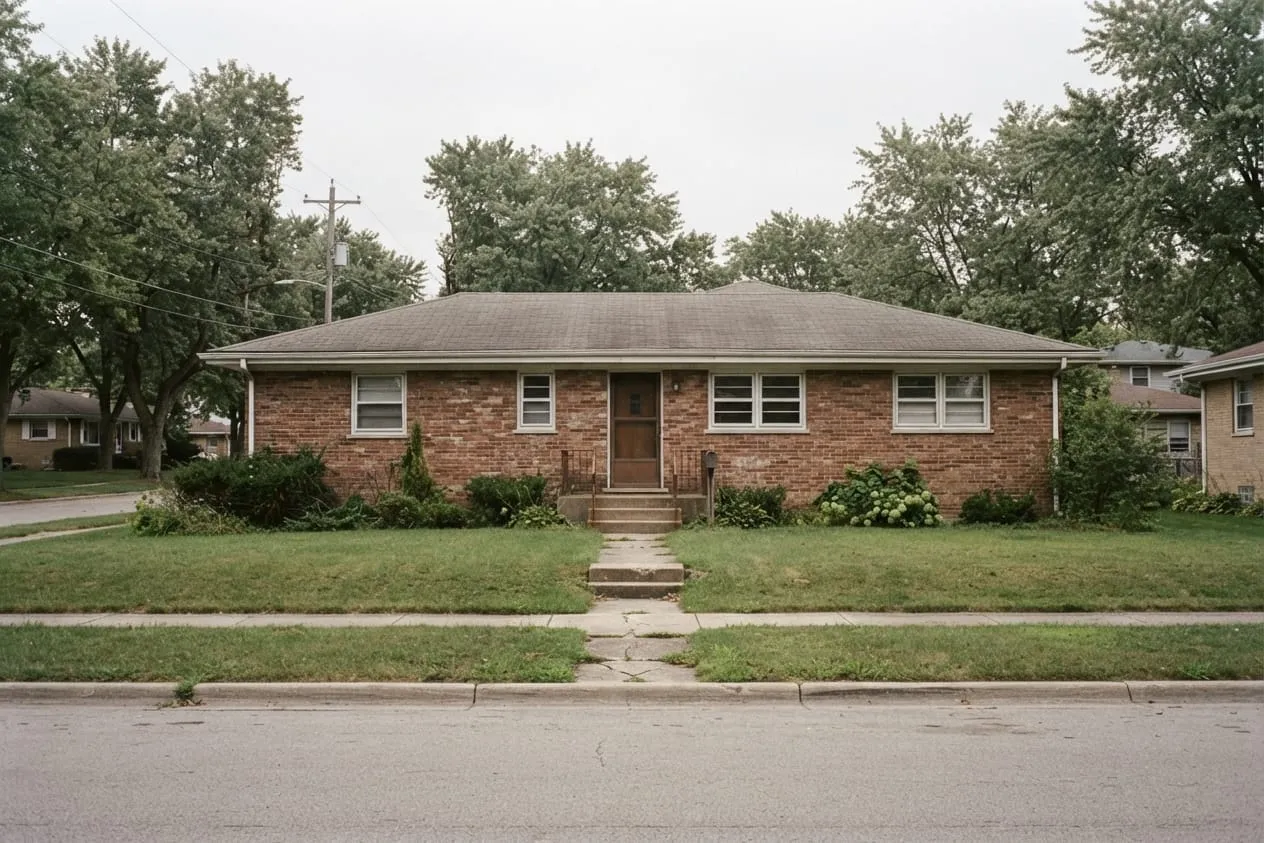
Census estimates put the median home in ZIP 60505 at 1959 and the median in 60503 at 2003. Across the city the median is 1987, which hides how different the two ends of town are.
| ZIP | Median year built | What that looks like |
|---|---|---|
| 60505 | 1959 | More than a quarter of homes built before 1940 |
| 60506 | 1968 | About half built before 1970 |
| 60504 | 1995 | Mostly 1970s to 1990s subdivisions |
| 60502 | 1998 | About four in ten built since 2000 |
| 60503 | 2003 | About seven in ten built since 2000 |
In the older ZIPs, a pit may have been added years after the house was built, the drain tile may be partial, and the discharge line may run somewhere it shouldn't. In the newer ones, the builder set the pit, and City engineering standards call for "all sump pump systems" to connect to the public storm sewer through buried pipe. A clog in that buried line looks like a pump that runs while the pit stays full.
Power here comes from ComEd
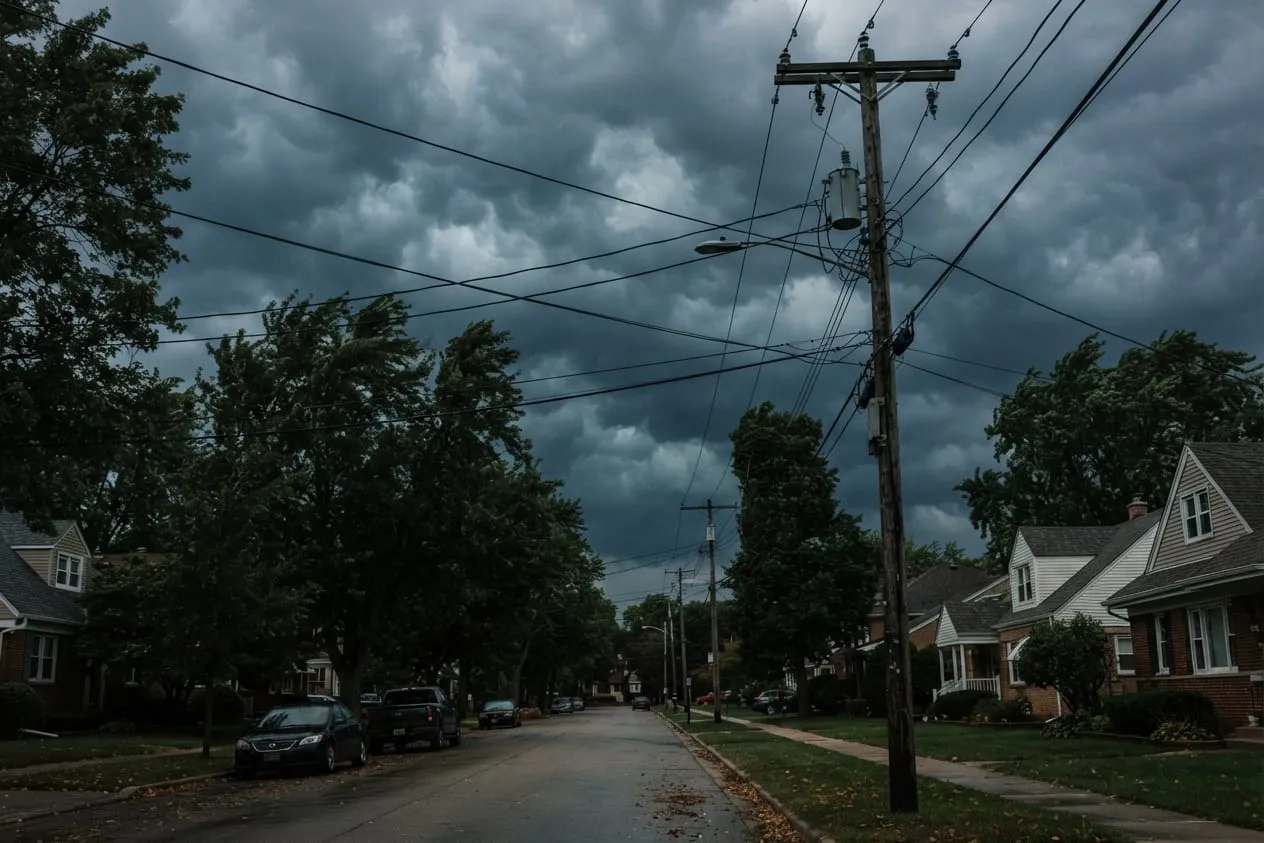
Unlike Naperville next door, Aurora is on ComEd. A summer storm that takes down overhead lines can leave a sump pump without power for hours, right when the pit is filling fastest. That makes a battery backup sump pump a stronger case here than in Naperville proper. Aurora's City guidance tells homeowners to do routine checks on the sump pump and the emergency backup.
Aurora's storm record
The Illinois record for rain in 24 hours fell near Aurora: 16.94 inches on July 17-18, 1996, according to the National Weather Service. In the April 2013 storm, a gauge near Aurora took 7.12 inches.
Storms like those test the discharge line as much as the pump. The City asks homeowners to make sure discharge water "discharges away from your foundation to prevent cycling water," since water dumped beside the house soaks back into the drain tile and runs through the pit again.
Aurora ZIPs, and the towns next door
All five Aurora ZIPs are on the list: 60502, 60503, 60504, 60505 and 60506. So are North Aurora, Montgomery, Oswego, Batavia and Sugar Grove nearby, and sump pump repair in Naperville to the east. Plainfield borders the southeast side. Check any address on the areas page.