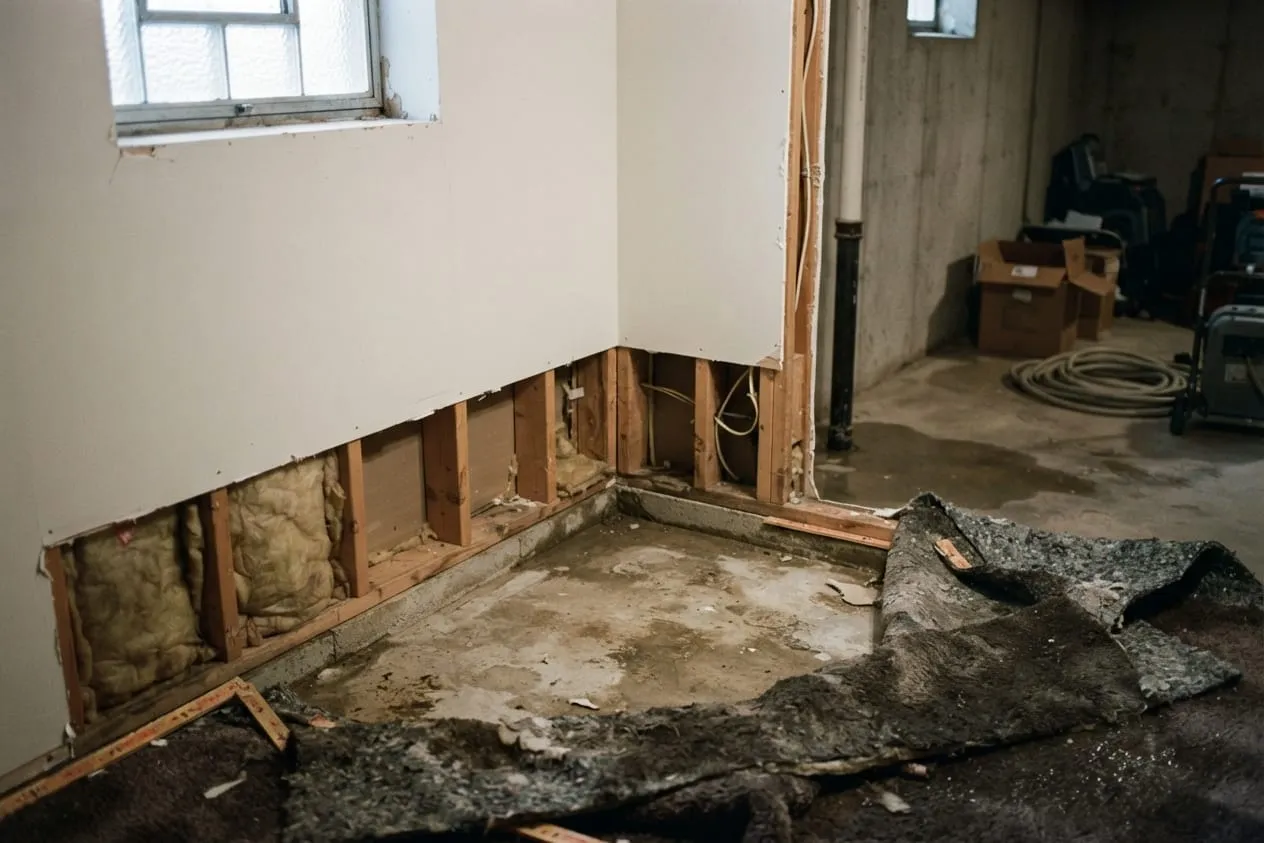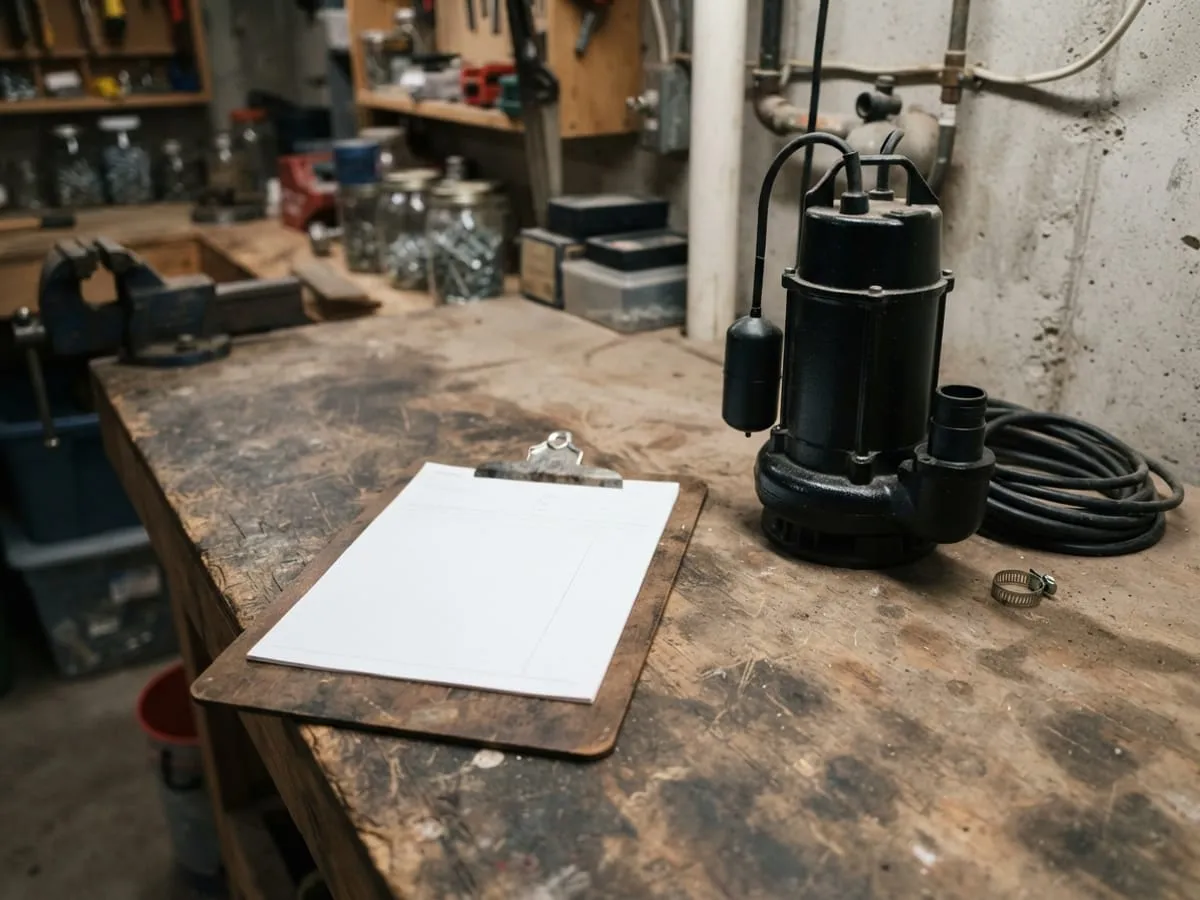
Sump pump replacement in Naperville doesn't have one price, because no two pits are set up the same way. Sump Pump Naperville books sump pump repair, replacement, backups and new pits across the area, and every job starts the same way: a plumber runs the pump on a full pit, then writes up the price line by line. This page explains those lines, so you can read a written price and see what you're paying for. You only pay for work you agreed to.
The lines on a written price
| Line | What it covers | What pushes it up |
|---|---|---|
| The visit and diagnosis | Filling the pit, watching the pump cycle, following the discharge line | A pit full of silt, a pump that has to be pulled to test |
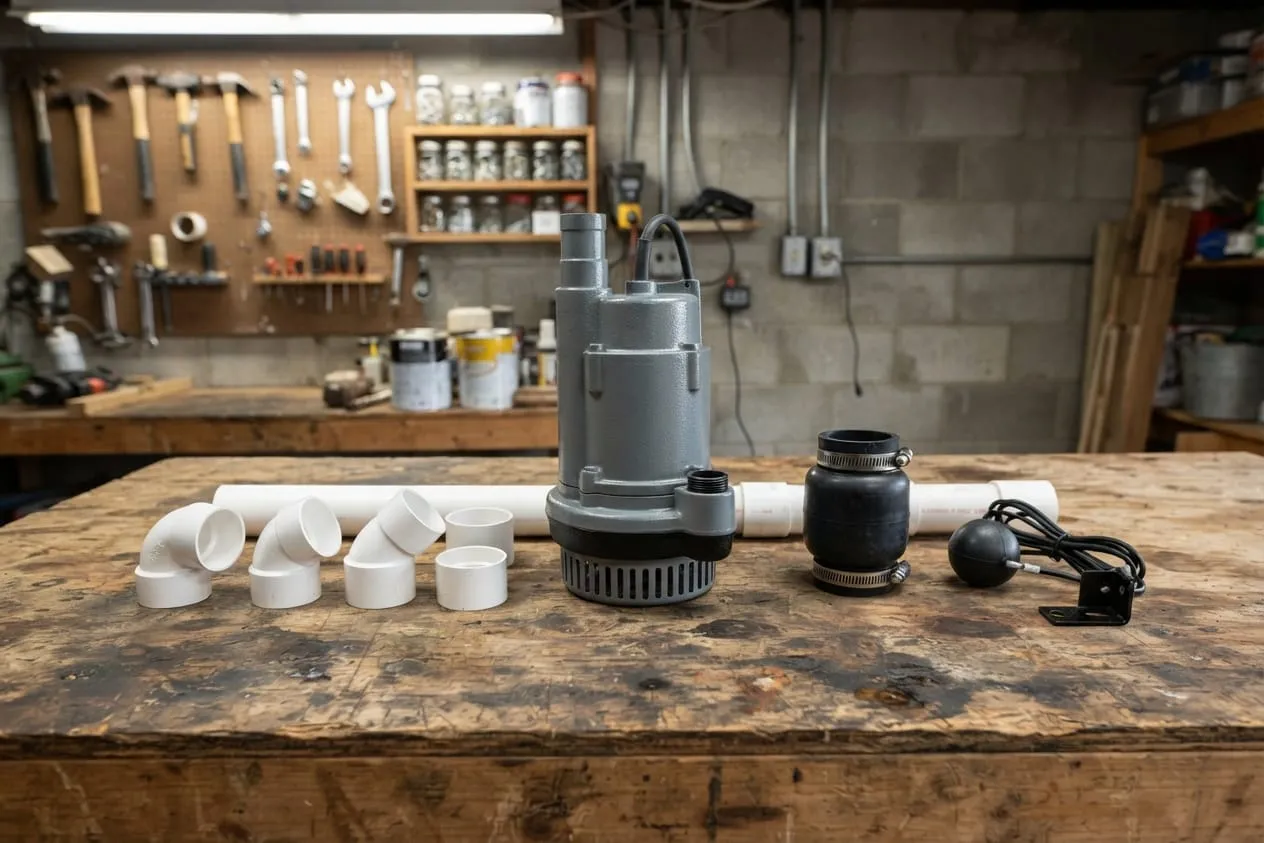
| The pump | The new pump, matched to the pit and the lift | Higher lift or heavy inflow, cast iron body, vertical or electronic switch |
| Switch only | A new float switch on a pump that still runs | Little; this is often the smallest repair |
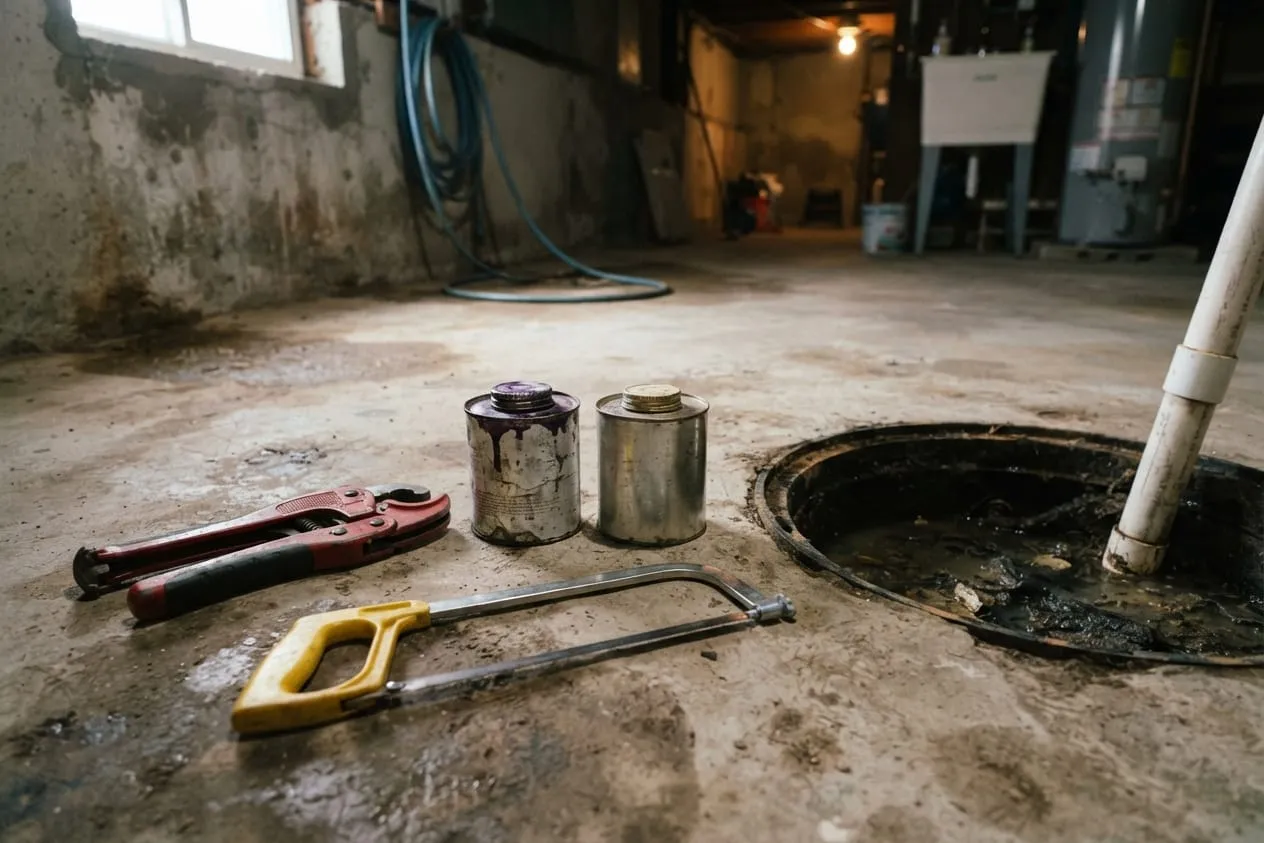
| Check valve and fittings | Check valve, shutoff valve, unions, the anti-airlock hole | Glued joints that have to be cut out, a cramped pit |
| Basin | A new liner when the old one is cracked or too small | Breaking out concrete around the old basin |
| New pit | Cutting the slab, digging, gravel, the basin, patching concrete | Finished floors, drain tile runs to the pit, a long trench |
| Discharge line | Pipe from the pit to the outlet in the yard | Long or buried runs, freeze protection, a storm sewer tie-in |
| Backup pump | Battery pump, battery, charger and alarm, or a water-powered unit | Larger or dual batteries; a water-powered unit needs a backflow device and an 85 dB alarm |
| Ejector work | Sealed basin, gas-tight lid, vent and a 2-inch discharge | Pumping and cleaning the pit first, replacing the basin |
| Permits | Whatever the town requires for the job | A storm sewer tie-in or parkway digging adds its own permits in Naperville |
A straight swap usually means the visit, the pump, and the check valve and fittings. A new pit touches almost all of the lines.
Time on the job
Time on the job is what moves labor most. A pump that lifts out of a clean pit with a union on the discharge is a short swap. A pump wedged in a cracked basin under a finished stair, with glued fittings and a line that needs rerouting, is not.
Repair or replace, by the numbers
Pentair, a pump maker, says the float switch is "typically the first thing to fail" and can be replaced while the pump stays. That's usually the smallest line on this page. Pentair also says most sump pumps last 3 to 5 years, depending on how often they run. Paying for a repair on a pump near the end of that range often means paying again for a replacement soon after. When both make sense, ask for both prices in writing and decide with the numbers in front of you. The sump pump replacement page covers what a proper swap includes.
What raises the price
- A finished basement where flooring, drywall or a closet stands between the plumber and the pit or the drain tile.
- Heavy inflow, which calls for a larger pump, a bigger basin or a second pump. Storms here can put 7 inches of rain down in two days, so a pit that floods in spring may need more than a like-for-like swap.
- The discharge line, when it has to be rerouted, buried deeper, fitted with freeze protection or tied into a storm sewer, which needs a City permit in Naperville.
- Adding a backup. A battery backup adds a pump, battery, charger and alarm. A water-powered backup adds the backflow device and alarm Illinois code requires. The backup pump page compares them.
- Sewage work. An ejector pit is sealed and vented, has to be pumped down and opened carefully, and its pump has to pass solids.
- A new pit or a footing drain reroute, which adds concrete cutting, digging and patching.
Does insurance pay when a sump pump fails?
Often not under a standard homeowners policy. The Illinois Department of Insurance lists "sewer backup/sump pump failure" among typical homeowners exclusions. It also describes a separate coverage, available for an extra premium, that pays for damage to a finished basement from a sewer or drain backup or a sump pump overflow. Seepage isn't covered by it.
Federal flood insurance works differently. FEMA's policy covers a basement sump pump as part of the building, but it excludes sump overflow unless a flood in the area caused it. The repair itself is rarely what a policy pays for. If you do file for water damage, the written price and the plumber's notes on what failed are useful paperwork.