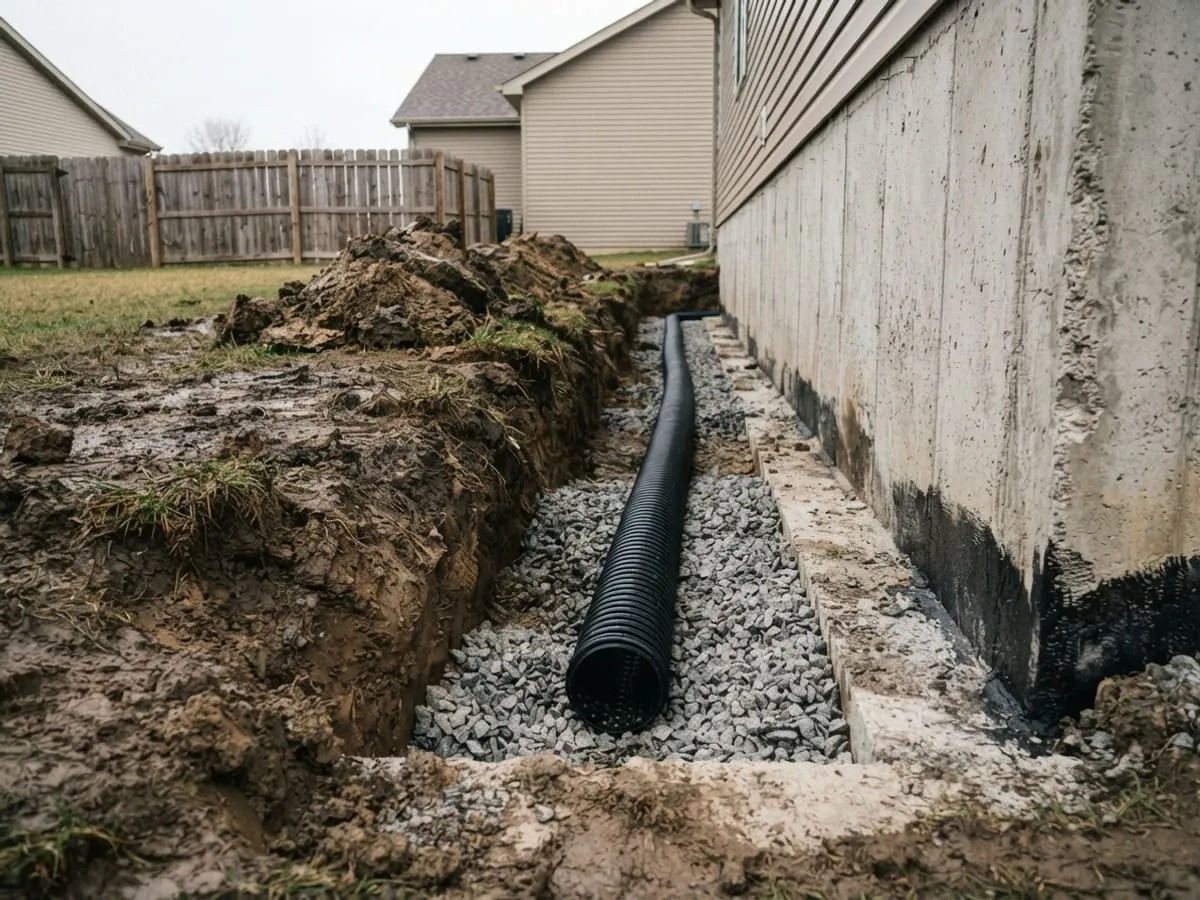
A footing drain is the perforated pipe that runs around the base of the foundation and collects groundwater. In most Naperville houses it empties into a sump pit. In some older ones it was piped into the sanitary sewer instead. Sump Pump Naperville books footing drain disconnection for those houses: a plumber cuts the drain tile off the sewer line, sets a sump pit for it, and runs a discharge line out to the yard.
Why groundwater doesn't belong in a sewer pipe
The City of Naperville is direct about it: "it is illegal to connect downspouts or foundation drain sump pumps to sanitary lines or sewers." The Illinois Plumbing Code says the same thing from the other side: sumps that handle footing drains "shall not receive any sewage," and sewage pits can't take footing drainage.
The practical problem shows up in a storm. Clean groundwater pouring into a sewer line takes up room the sewer needs for sewage, and the City's open data page lists sump pumps tied to sanitary pipes as one source of that extra flow. When the sanitary system fills in heavy rain, it backs up into the lowest openings in the neighborhood, often basement floor drains. Every footing drain moved off the sewer leaves a little more room in it.
Signs your footing drains run to the sewer
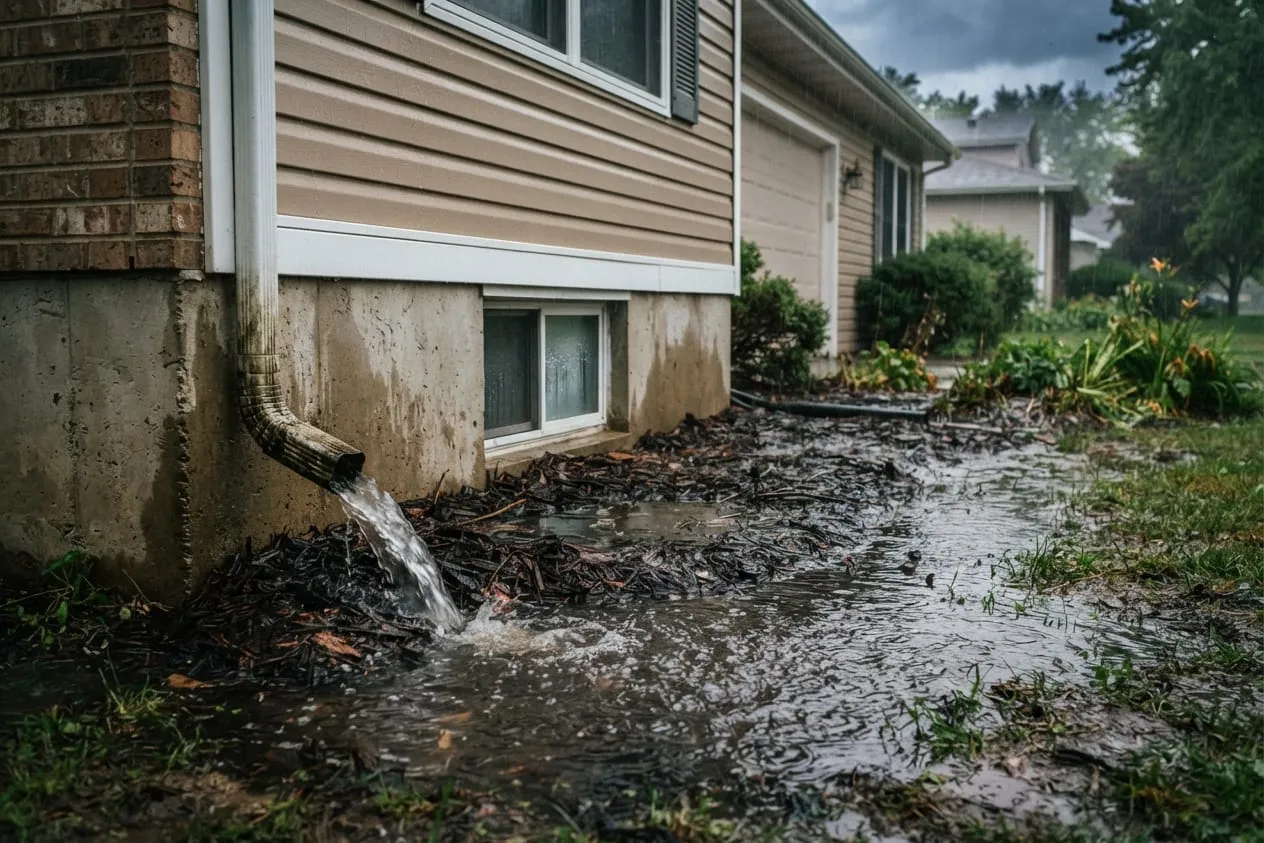
- The sump pump discharges inside. The City says a sump pump should discharge to the outside of the house, and if yours doesn't, "it is likely connected to the sanitary sewer system." A pump line that runs into a floor drain, a laundry tub or a pipe in the wall is the classic case.
- No sump pit at all, in a basement that stays fairly dry in normal rain. The groundwater is going somewhere, and in an older house that can be the sewer.
- The floor drain backs up in big storms while the rest of the house drains normally.
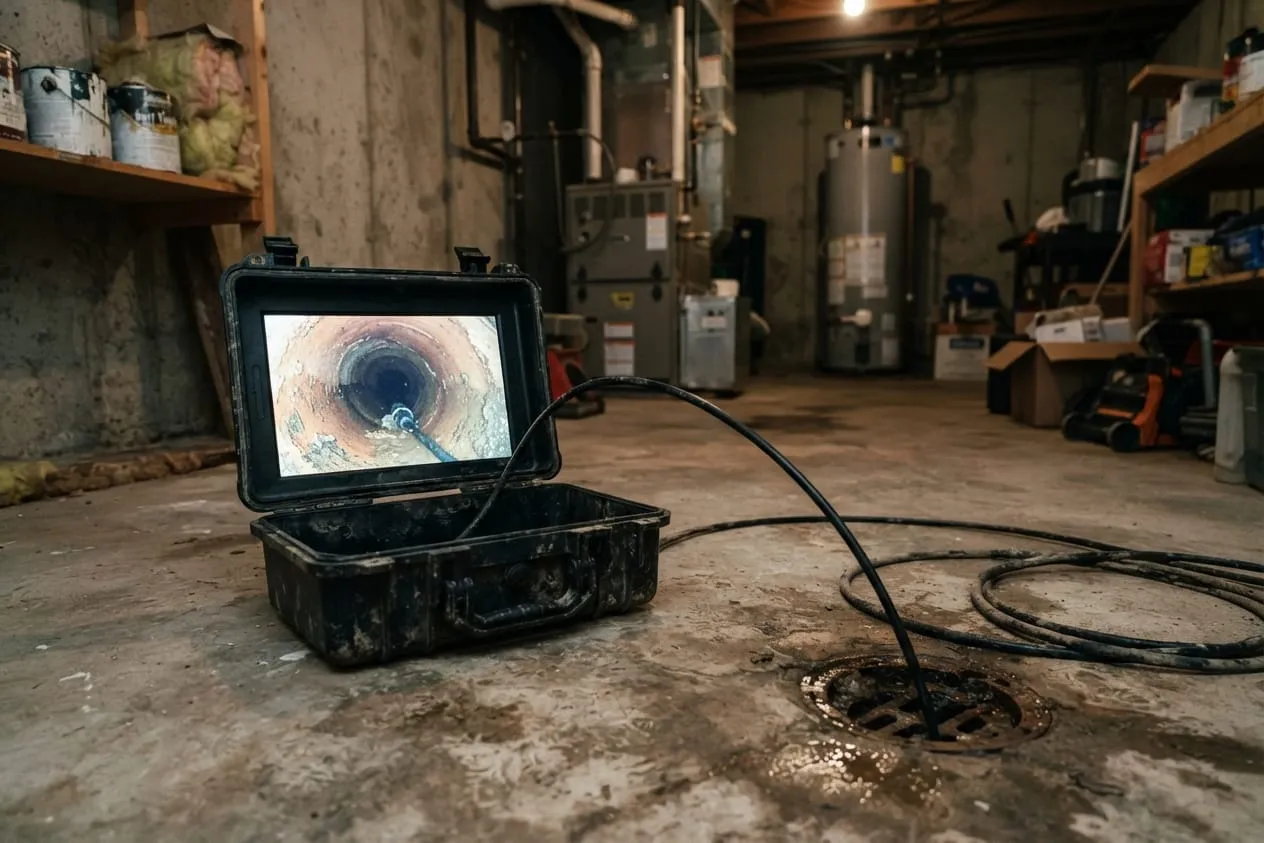
Age is the other clue. About one in nine Naperville homes was built before 1970, according to Census estimates. Nearby Joliet says homes built there before 1970 "sometimes have footing tiles connected to the sanitary sewer system and not to a sump pit." A camera run through the drain line confirms where the tile goes.
How a footing drain reroute goes
If you already have a pit and only the pump's line runs into a floor drain or laundry tub, the fix is smaller: the line gets rerouted through the wall to the yard. The rest of this section is for drain tile tied straight to the sewer.
Your plumber first finds where the drain tile meets the sanitary line, usually by running a camera through the floor drain or the cleanout. That connection gets cut and capped so groundwater can't reach the sewer.
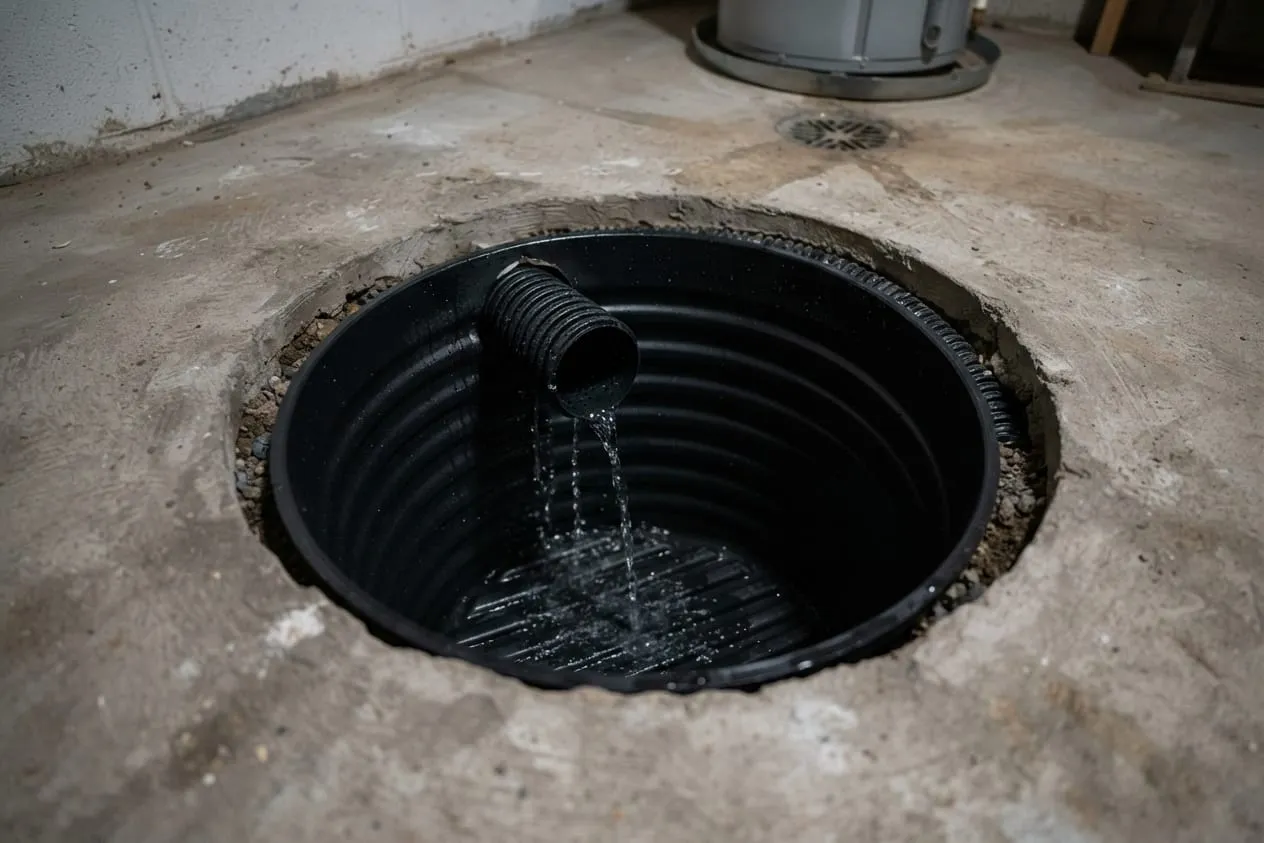
Next, the tile needs a new place to empty. A sump pit gets set in the floor near where the tile runs, with the basin sized for how much water the tile delivers, and the tile is tied into it. The pump and check valve go in, and the discharge line goes out through the wall to a spot in the yard that meets the City's rules. The new pit installation page covers both the pit and the discharge rules.
Last, the floor gets patched, and the pit is filled with a hose to watch the pump empty it and shut off. You'll have a written price before work starts, and a revised one in writing if the camera turns up something that changes the plan.
What it changes in a storm
With the tile off the sewer, groundwater leaves through your sump pump and out to the yard, and your sewer line carries only what goes down the drains. If the floor drain was backing up because the neighborhood sewer filled, this takes your house's groundwater out of that problem. It won't stop a citywide sewer surcharge on its own. For that, the storm flooding guide covers overhead sewers and backflow devices, and the ejector pump page covers the pump that makes an overhead setup work.
Permits
Naperville requires a permit for plumbing installation and repair work, and rerouting a footing drain changes drain piping. Any permit it needs shows up as a line on your written price.