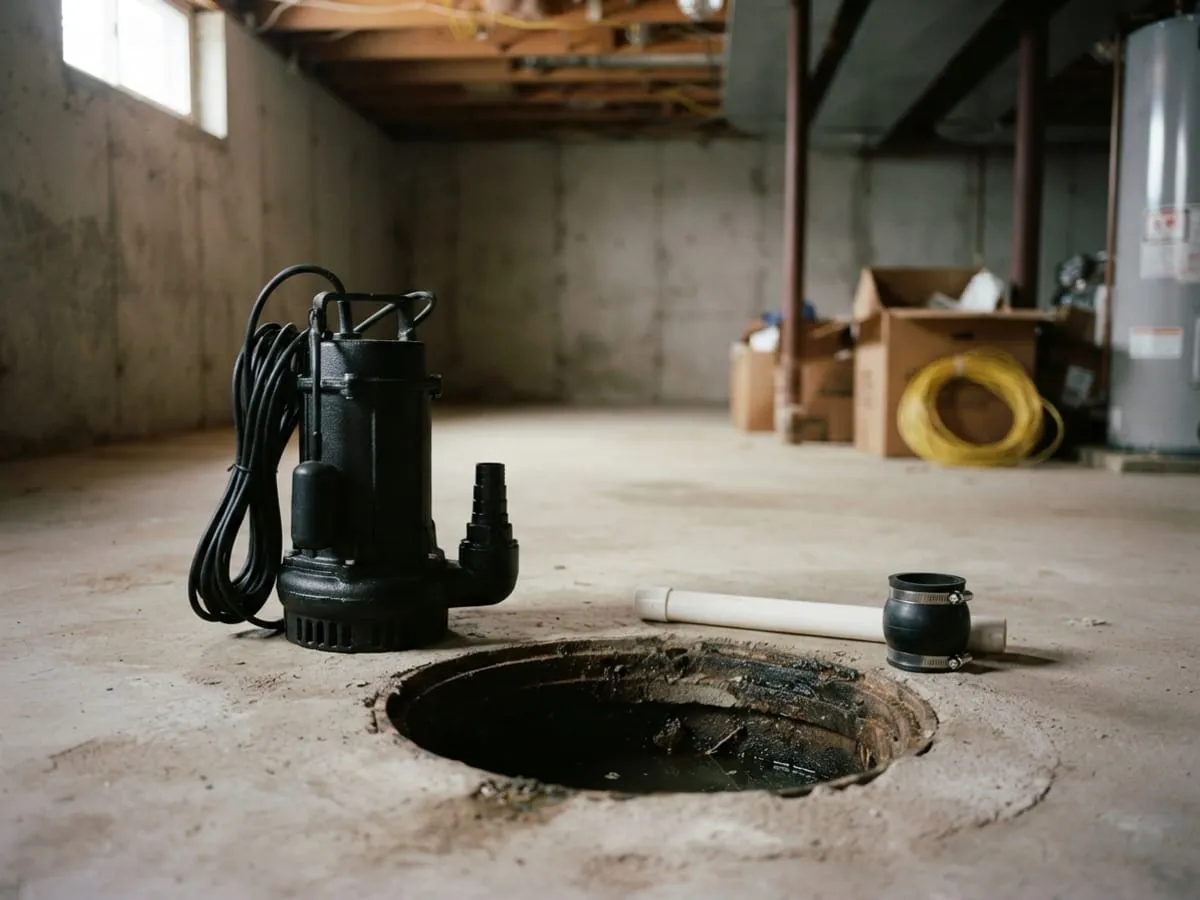
Sump Pump Naperville books sump pump replacement for homes across Naperville and the nearby suburbs, from a straight swap on a pump that burned out overnight to a bigger pump for a pit that can't keep up in May. A plumber pulls the old pump, sets the new one, and redoes the check valve and fittings that come off with it. You get the price in writing first.
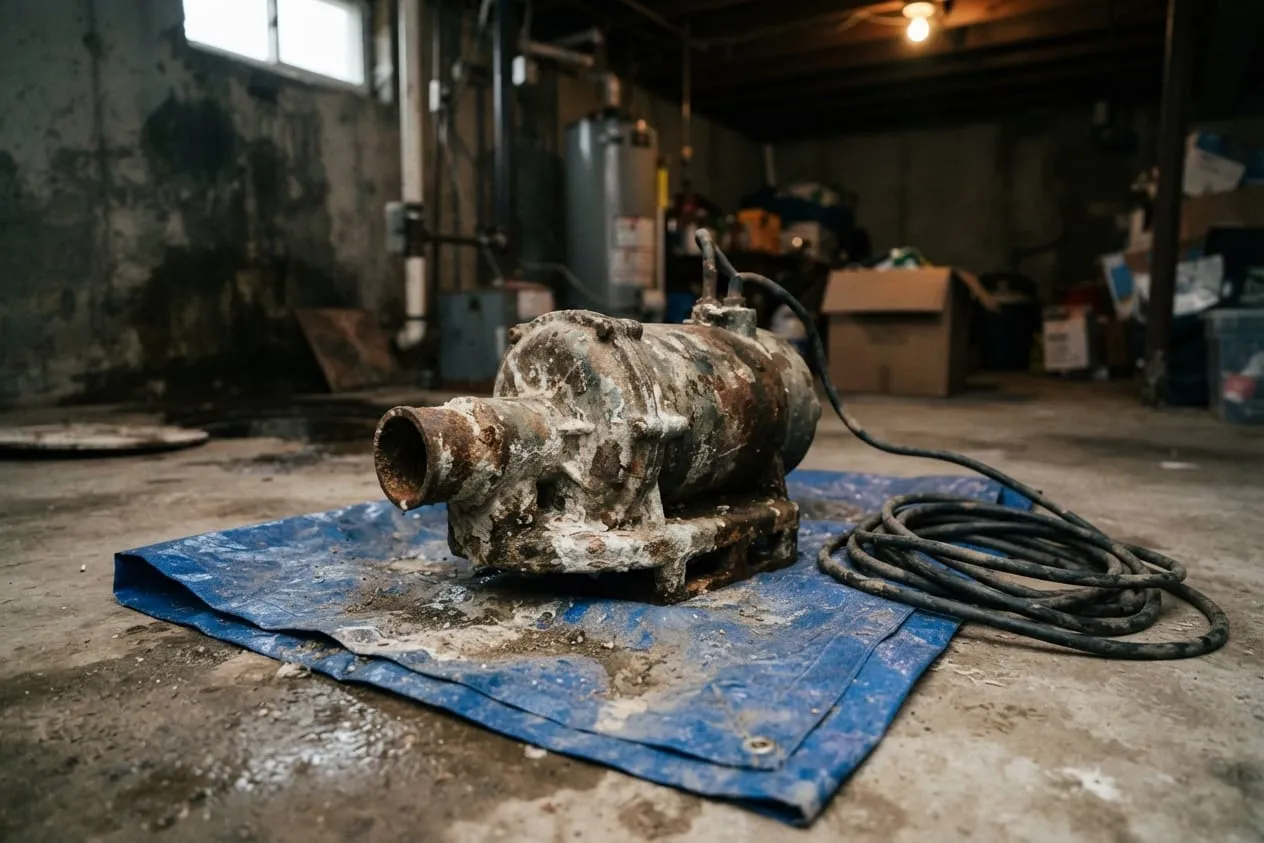
Motor burned out, housing cracked, or the pump is just old
Not every dead pump needs replacing. Pentair, which makes sump pumps, says the float switch "is typically the first thing to fail," and a switch can be replaced on its own. The sump pump repair page covers those fixes. Replacement makes sense when the failure is in the pump itself:
- The motor hums and won't turn even with the impeller clear, or it trips the breaker or GFCI as it starts.
- The housing is cracked, or the cord is cut or brittle where it enters the pump.
- Bearings grind, or the pump can no longer lower the pit in a steady rain.
- The pump is several years old and has worked through hard springs. Pentair puts the typical life at 3 to 5 years, depending on how often it runs.
Naperville's housing has a median build year of 1990, according to Census estimates. A house built around then may still have its original basin and discharge line even if the pump has been swapped, so a replacement visit looks at everything the pump connects to.
Sizing the new pump to your pit and your lift
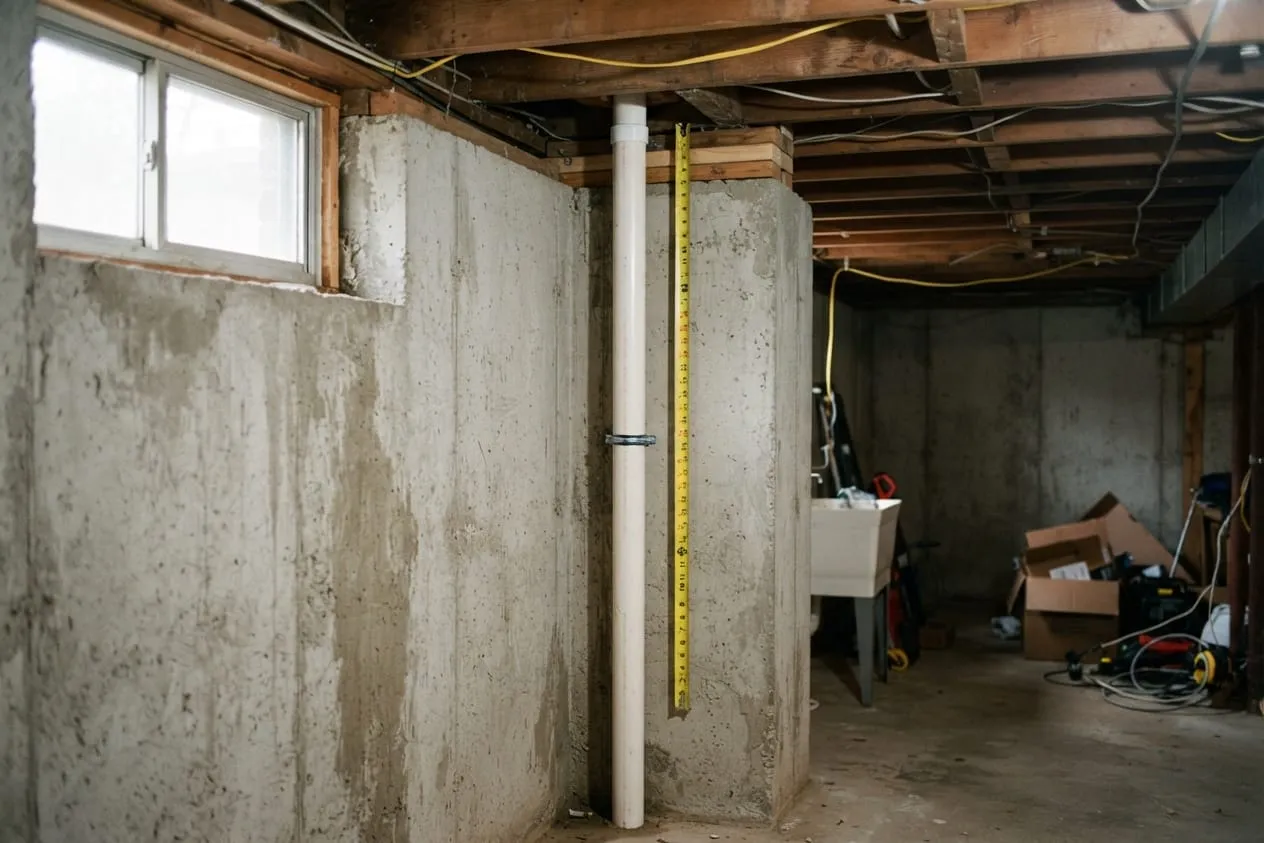
The City of Naperville's sump fact sheet calls a 1/3 horsepower pump satisfactory for most houses. Horsepower is only half of it. The number to compare is how many gallons the pump moves at the height it has to lift water, from the bottom of the pit up to where the discharge line leaves the house. Two pumps with the same horsepower can deliver very different flow at the same height, so your plumber compares them at your lift rather than at the number on the front of the box.
The pit matters too. Liberty Pumps' installation manual calls for a groundwater basin at least 14 inches across and 18 inches deep, and Pentair says most basins hold 18 to 25 gallons. A pump that empties a small pit in seconds starts and stops far more often, and every start wears the switch.
Switch types
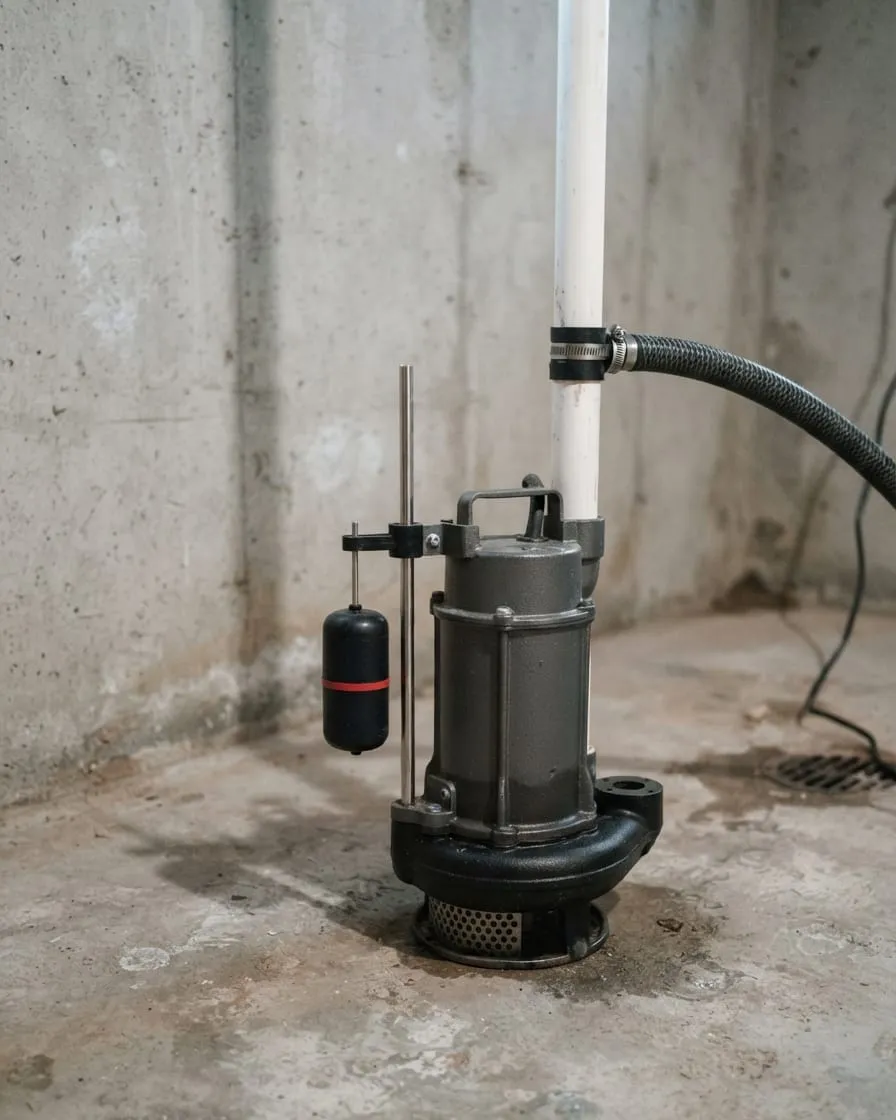
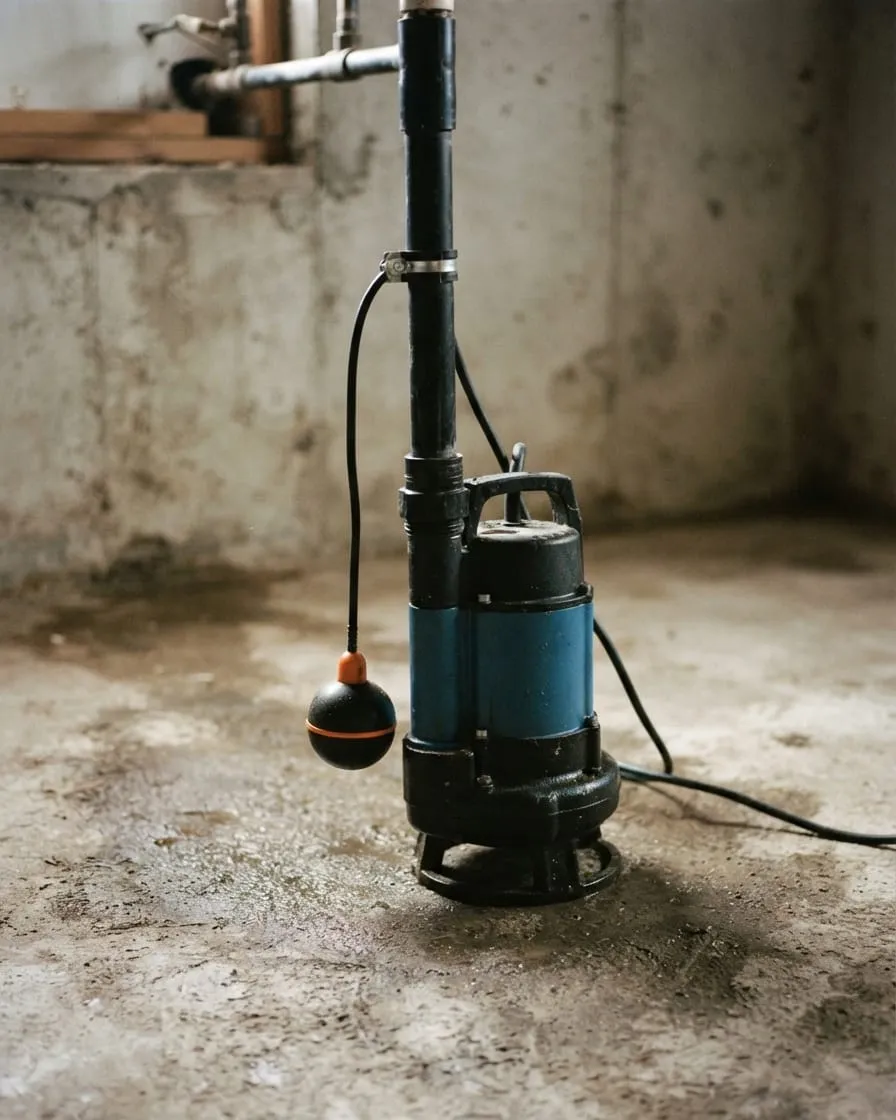
Pentair names three: tethered floats that swing on a cord, vertical floats that ride a rod, and diaphragm switches that sense water pressure. A tethered float needs room to swing without catching the basin wall. In a narrow pit, a vertical or electronic switch is usually the better fit.
What gets replaced along with the pump
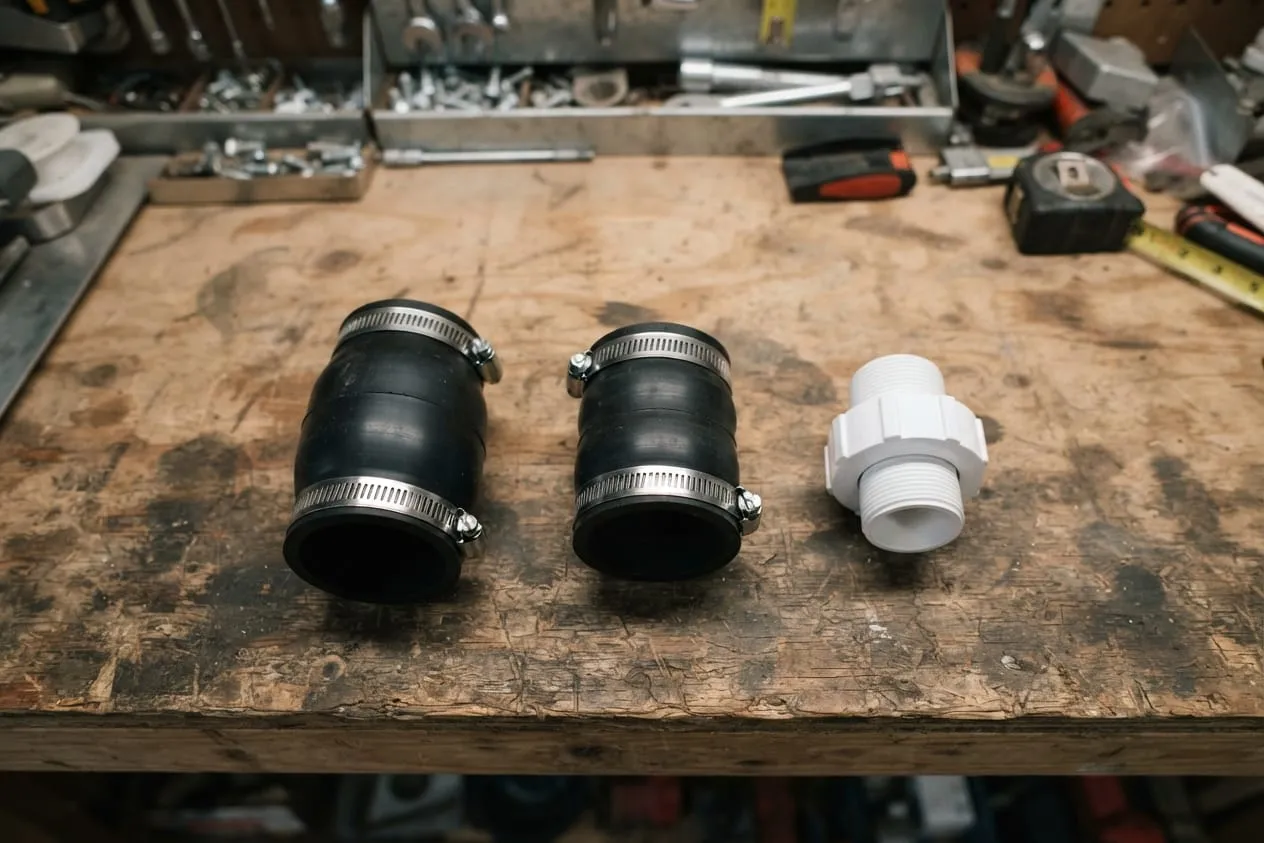
- Check valve. Liberty's manual requires one on the discharge, with a shutoff valve after it so the pump can come out without draining the whole riser back into the pit.
- The anti-airlock hole. Liberty calls for a 1/8-inch hole in the discharge pipe just above the pump, so trapped air can't stop it pumping. A small spray from that hole while the pump runs is normal.
- Unions and discharge pipe. Old glued joints get cut out and replaced with fittings that come apart for the next service.
- The outlet. Pentair calls electrical trouble probably the most common cause of sump pump failure, and names extension cords and outlets on shared circuits as the culprits. The new pump should plug straight into a GFCI outlet on its own circuit.
- The basin, if it's cracked, collapsing, or too small for how much water comes in.
If there's no backup pump, this is the easiest time to add one, since the pit is already open. The battery backup page covers the options.
Permits in Naperville
The City of Naperville's permit page says it requires a permit for any plumbing installation or repair. If your job needs one, it shows up as a line on your written price.
How the swap goes
Your plumber drains the pit and lifts out the old pump, then scrapes silt and gravel off the basin floor so the new one stands level. With the new pump in place, the switch gets set where it can travel freely and the check valve and fittings go on. The cord goes into its own outlet. Then the pit gets filled with a hose, and the pump has to start by itself and empty the pit before it shuts off. If there's a backup pump, it gets tested with the main pump unplugged. The visit ends with water leaving the house where the discharge line ends.
What a replacement costs depends on the pump, the parts around it and the pit. The cost guide breaks the price into its parts.